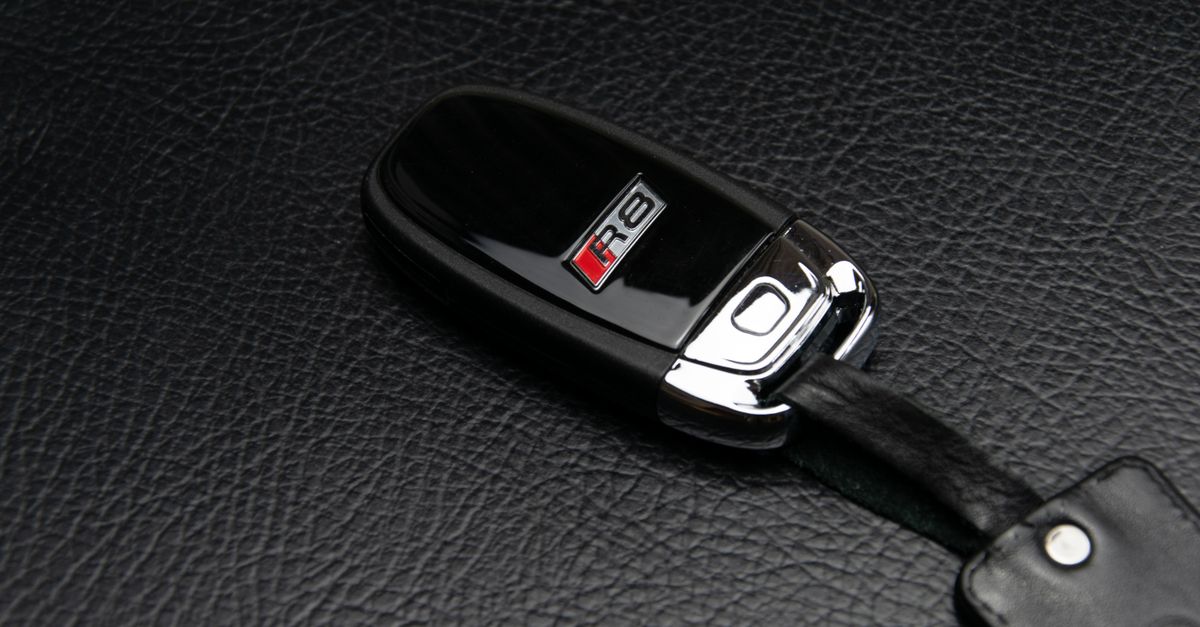
Audi Car Key Replacement: What Makes Audi Keys Different
Audi has used rolling-code transponder technology since the mid-1990s, and modern models go several steps further. The current Audi Advanced Key system allows keyless entry and push-button start through a proximity smart key that is constantly broadcasting a short-range signal. Inside that sleek key housing sits a transponder chip that must be cryptographically paired with your car's ECU — if the pairing is wrong or absent, the engine will not start regardless of whether the physical key blade fits the ignition. Older Audi models use standard transponder keys that still require programming, while mid-range models use switchblade-style flip keys that combine a cut blade with a programmable fob head. Understanding which generation your vehicle belongs to is the first thing our technicians determine before quoting or beginning any work.
This is why Audi key replacement is not a task for a generic key-cutting kiosk. Our mobile units carry Audi-compatible key programmers that communicate with the vehicle's onboard diagnostic port, along with blank key stock and fob shells for a wide range of A3, A4, A5, A6, A7, A8, Q3, Q5, Q7, Q8, TT, and RS series vehicles. We read the immobilizer data, generate the correct transponder code, and bind the new key to your car — all at your location, whether that is a driveway in Whitestone, a street spot in Jackson Heights, or a parking structure near Flushing Meadows-Corona Park.