What Is a Mortise Lock and Why Commercial Doors Depend on It
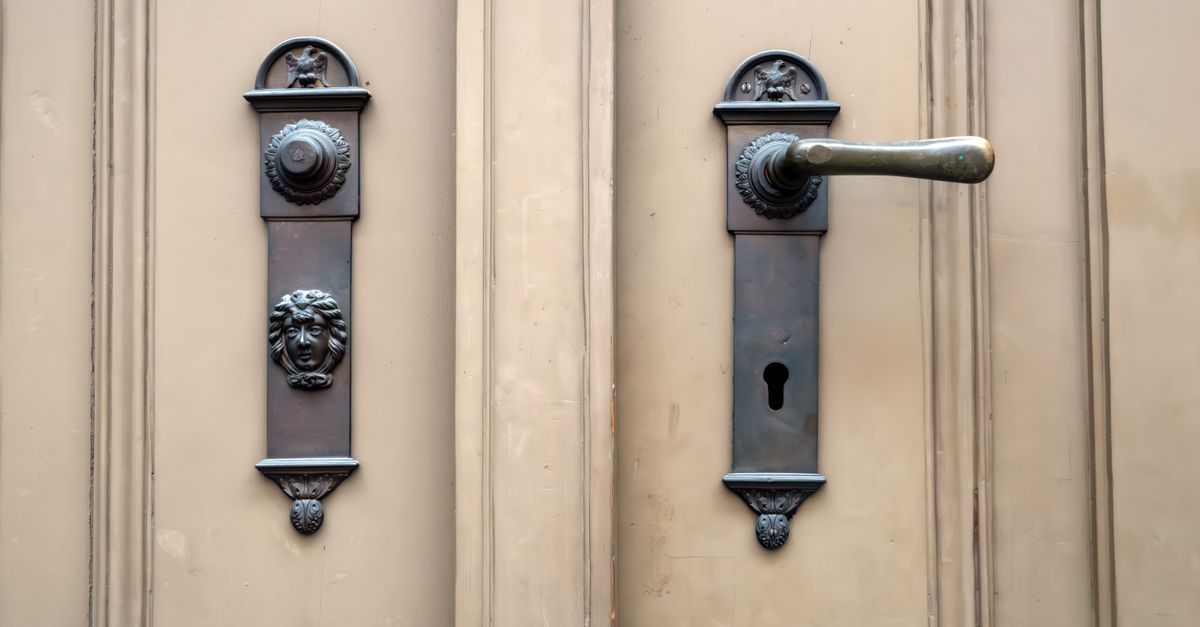
A mortise lock gets its name from the mortise — the rectangular cavity routed into the door body to accept the lock case. The full mortise lock set typically includes the lock body, a tailpiece-driven latch bolt, a deadbolt throw, a trim plate (escutcheon), levers or knobs, and a mortise lock cylinder that accepts the key. Because the mechanism is recessed into the door rather than surface-mounted, it cannot be easily pried or knocked free. That structural advantage is why you will find mortise locks on nearly every commercial door in Queens that sees serious daily traffic: building front entries, management offices, laundry rooms, package rooms, and multi-tenant vestibules. Brands like Corbin Russwin and Baldwin have long been staples in New York City commercial construction — a Corbin Russwin mortise lock in a 1960s Rego Park apartment building or a Baldwin mortise lock on a Bayside professional office is still doing the same job it was designed for, sometimes with very little maintenance in between. Our technicians understand the internal differences between legacy hardware and current production models, and we service both.
Beyond the standard mechanical version, building owners today sometimes ask about the electric mortise lock — a variant that adds a solenoid or motor to allow access control integration, key-card readers, or buzzer entry systems. There is also growing interest in the smart mortise lock, which can pair with a mobile app or building-wide access platform. We assess, install, and service both electric and smart variants on commercial and multi-tenant doors throughout Queens, ensuring the electronic components are correctly wired and that the mechanical fallback still functions if power is interrupted.