
Why Keys Snap Inside Locks — and What Happens Next
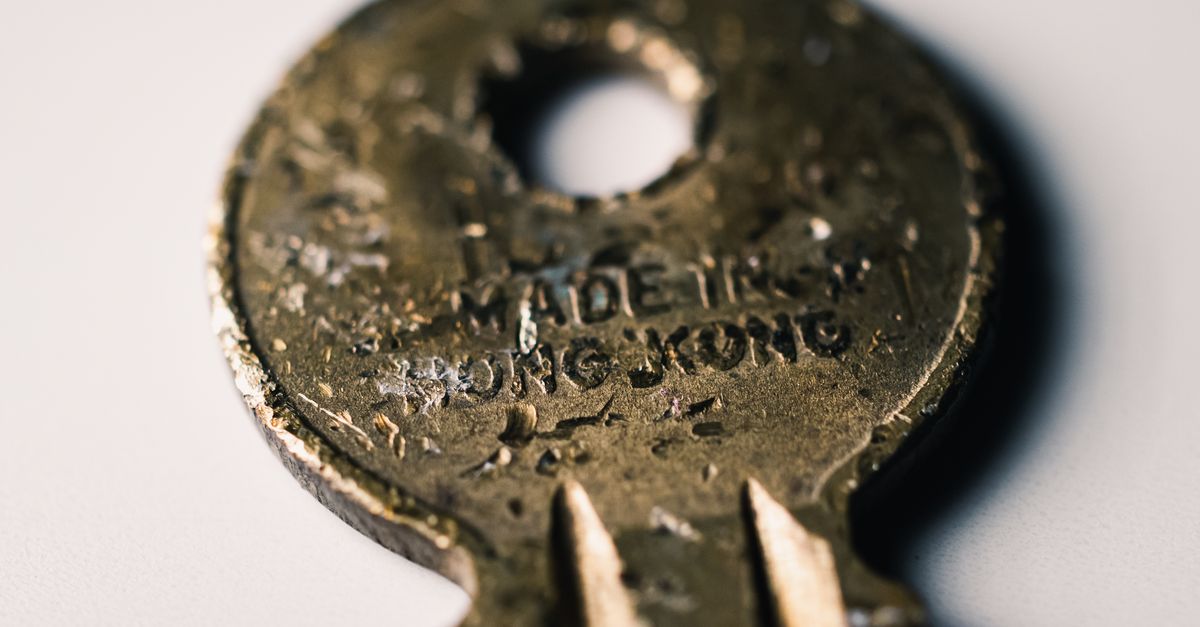
Keys fail for predictable reasons. Metal fatigue from years of daily use creates micro-fractures that are invisible to the naked eye. A lock cylinder that has not been lubricated develops increased resistance, and the extra torque needed to turn the barrel is exactly the stress that causes a worn key to snap at its narrowest point — usually the shoulder or the first cut. Duplicate keys cut from copies rather than from an original factory blank are especially prone to this because each generation of copying introduces tiny dimensional errors that concentrate stress unevenly. Cold weather compounds the problem: in a Queens winter, moisture that has worked into a mortise lock or a door knob lock cylinder can partially freeze, and the force needed to overcome that resistance snaps an already-fatigued key in seconds.
Once a fragment is inside the cylinder, the situation escalates quickly if handled incorrectly. The broken piece typically rests against one or more pin stacks. Any rotation of the plug — even a few degrees — can shift the fragment into a position that is significantly harder to extract without disassembly. This is why our technicians ask callers not to attempt further turning of the lock before we arrive. The sooner you call 718-689-8347, the more options we have for a damage-free outcome.